
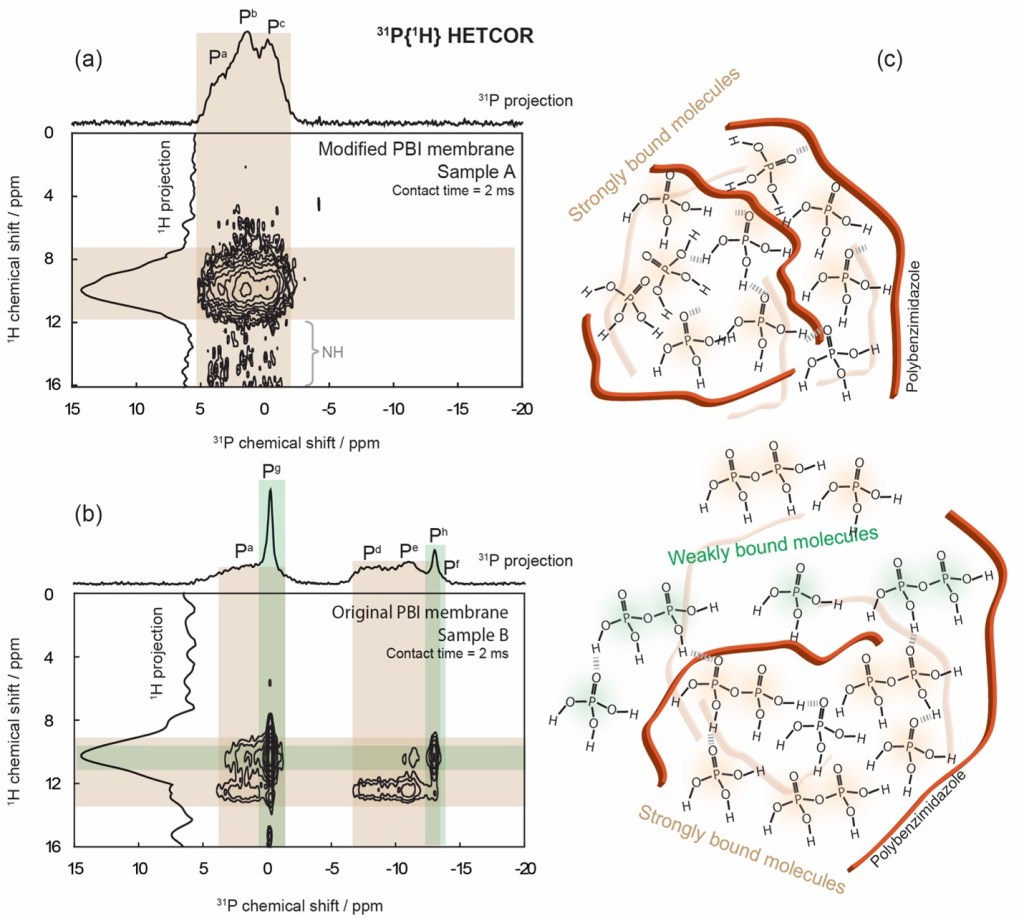
Our primary investigative tool is Nuclear Magnetic Resonance (NMR), with temperature, pressure and frequency as investigative parameters. Through NMR we can determine the local dynamics and environments of the materials. A good example of this is from one of our recent publications [2020 – (1)] where 2D 31P{1H} HETCOR NMR spectra revealed microscopic heterogeneities that facilitated fast ion transport in polybenzimidazole films.
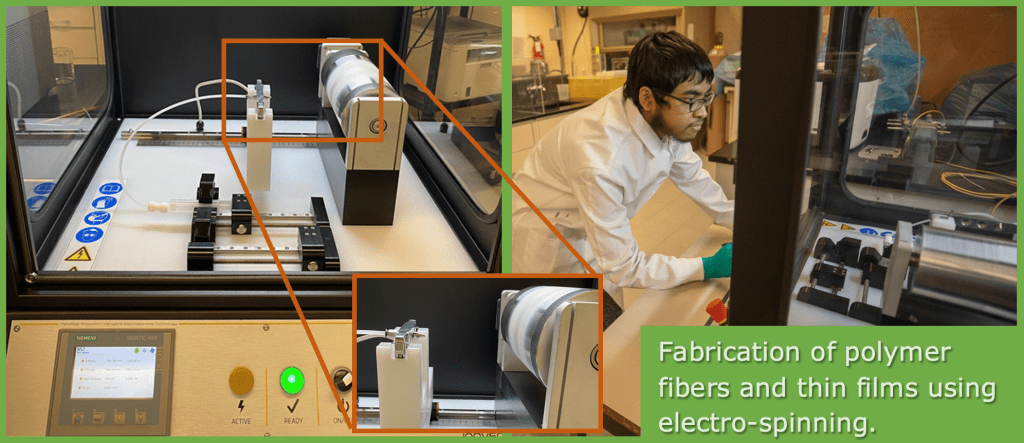
We also have electrospinning capability, which is a method for making nano-scaled fibers having organized microscopic orientations using polymeric solutions. We can also make thin films depending on the collection method. We study these materials to improve their effectiveness by characterizing their tensile strengths, ionic conductivity, pore sizes and chemical susceptibility. We also investigate new ways to use nanofibers.
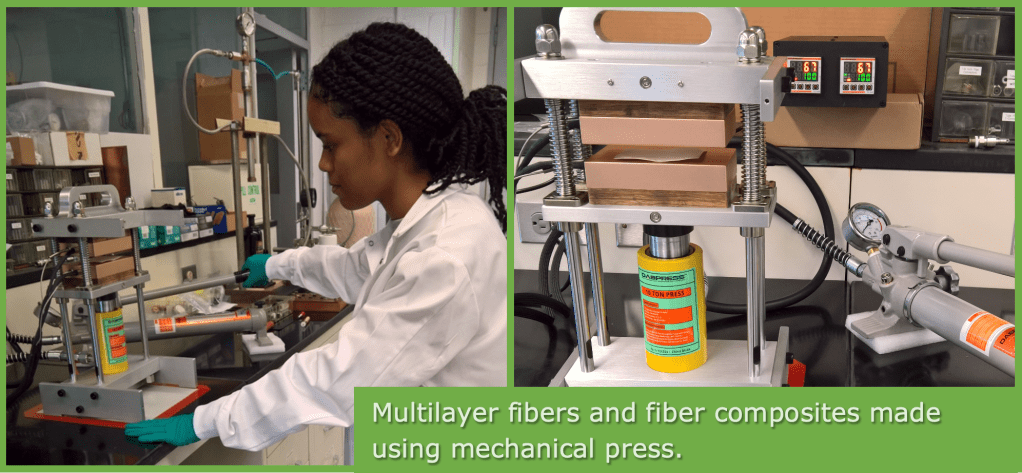
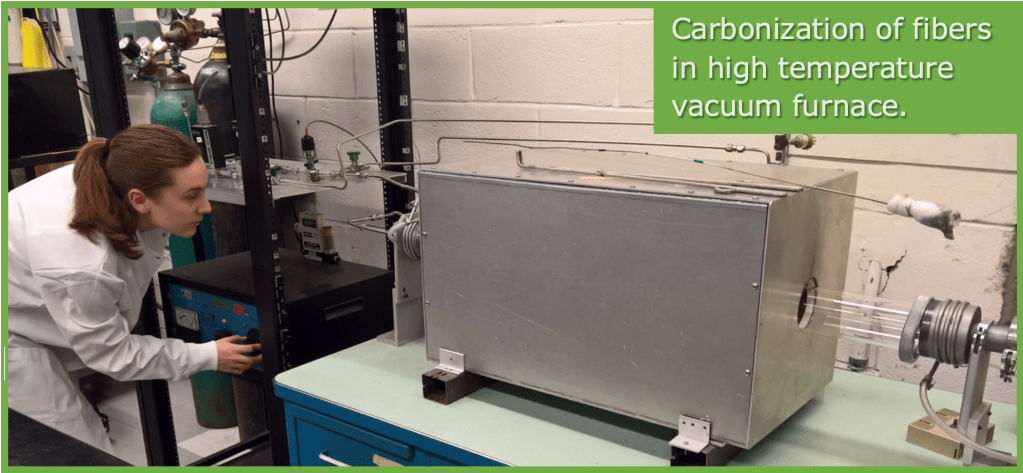
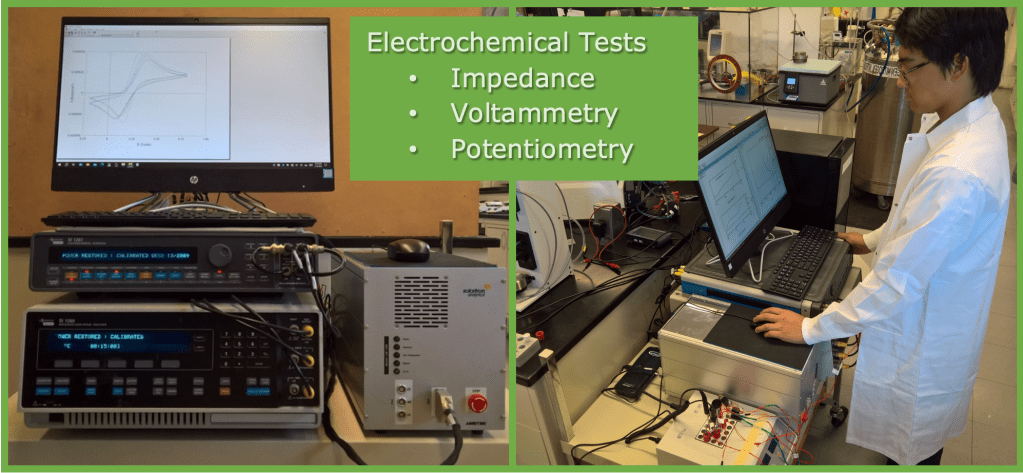
We employ physical and chemical stimuli in our work on thin films. This is necessary because of their wide range of applications. We combine the results from NMR with bulk ones such as ionic conductivity, density, and viscosity to get a broader view of the dynamics. We also test our electrolytes in batteries in our effort to better understand, modify and develop materials.
The Suarez Lab
Materials Research Laboratory
Get In Touch
718-951-5000 ext. 6509 / 1729
 The Suarez Lab